
How Playing a Musical Instrument Boosts Brain Power at Any Age
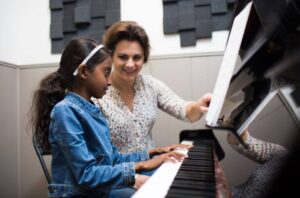 Can playing an instrument make you smarter? It’s a question many parents, students, and adults ask before starting music lessons. While learning an instrument won’t magically increase IQ overnight, research consistently shows that music education strengthens the brain in ways that improve learning, memory, concentration, creativity, and problem-solving skills.
At American Music Institute (AMI), we’ve seen firsthand how students of all ages develop not only as musicians but also as confident learners, leaders, and creative thinkers. Whether you’re considering piano, violin, guitar, voice, drums, or another instrument, the benefits go far beyond learning notes and rhythms.
Let’s explore why taking music classes is one of the smartest investments you can make.
How Music Changes the Brain
Learning to play an instrument is one of the few activities that activate both sides of the brain simultaneously.
When students practice music, they are constantly using:
- Memory
- Listening skills
- Reading comprehension
- Fine motor coordination
- Pattern recognition
- Mathematical thinking
- Creativity
- Emotional expression
Because multiple brain regions work together, musicians develop stronger neural connections that support learning across many areas of life.
Think of music lessons as a full workout, not for your muscles, but for your brain.
1. Music Improves Memory
One of the biggest benefits of learning an instrument is improved memory.
Students regularly memorize:
- Songs
- Finger patterns
- Rhythms
- Music theory
- Performance techniques
This continuous practice strengthens both short-term and long-term memory, helping students perform better in school and everyday life.
Whether preparing for a recital or studying for a test, stronger memory skills make a difference.
2. Music Helps Students Focus Longer
Today’s students face more distractions than ever.
Playing an instrument teaches sustained attention by encouraging students to:
- Listen carefully
- Follow instructions
- Read music
- Maintain steady rhythm
- Correct mistakes
- Stay engaged through challenging pieces
Over time, this discipline often transfers into better concentration during homework, reading, and classroom learning.
3. Playing Music Strengthens Problem-Solving Skills
Every piece of music presents new challenges.
Students constantly learn how to:
- Break difficult sections into smaller parts
- Recognize patterns
- Adjust timing
- Improve technique
- Think critically
These experiences develop flexible thinking and perseverance—skills that are valuable throughout school, college, and future careers.
4. Music Supports Academic Success
Many families ask whether music lessons help with school performance.
While every student is different, music education supports important academic skills, including:
- Reading
- Math
- Language development
- Critical thinking
- Organization
- Time management
Learning rhythm reinforces mathematical concepts, while reading music strengthens sequencing and attention to detail.
Students also develop study habits that benefit every subject.
5. Music Builds Confidence
Confidence grows with every new song mastered.
Students experience success through:
- Weekly lessons
- Practice milestones
- Group classes
- Ensemble rehearsals
- Recitals
- Performances
Each accomplishment teaches that consistent effort leads to improvement.
This confidence often extends beyond music into academics, sports, presentations, and social situations.
6. Music Encourages Creativity
Unlike many structured school activities, music gives students opportunities to:
- Express emotions
- Interpret musical pieces
- Improvise
- Compose original music
- Collaborate with others
Creative thinking is one of today’s most valuable life skills, and music provides a natural environment to develop it.
Invest in Your Brain Through Music
So, can playing an instrument make you smarter?
The evidence suggests that music lessons strengthen the skills that matter most: memory, focus, creativity, discipline, confidence, and problem-solving. These abilities support success in school, work, and everyday life while providing a creative outlet that lasts a lifetime.
Music is more than an extracurricular activity—it’s an investment in lifelong learning and personal growth.
If you’ve been thinking about starting music lessons, there’s no better time than now.
Start Your Musical Journey at American Music Institute
At American Music Institute, students of all ages learn from experienced, professional instructors who provide personalized music lessons in a supportive and inspiring environment. Whether you’re just beginning or looking to advance your skills, our lessons are tailored to your age, experience level, musical interests, and personal goals.
From piano and violin to guitar, voice, drums, and more, our programs help students build confidence, develop lifelong musical skills, and experience the joy of making music.
Whether you’re enrolling your child in their first music lesson or pursuing your own musical passion, there’s never been a better time to start.