
What’s the Best Age to Start Drums?
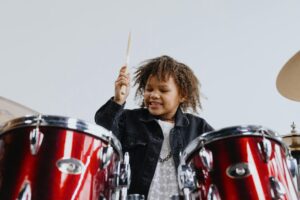 Drums are one of the most exciting and engaging instruments to learn. Whether your child is constantly tapping on tables or you’re considering lessons for yourself, one common question comes up: what’s the best age to start playing drums? The answer isn’t one-size-fits-all, but understanding key developmental stages can help you decide the perfect time to begin.
Ready to Start Drum Lessons? REGISTER
Early Exposure (Ages 3–5): Building Rhythm Naturally
At this age, children are naturally drawn to rhythm. While formal drum lessons may be too structured, early exposure is incredibly valuable.
What works best:
- Simple percussion instruments (hand drums, shakers)
- Rhythm games and movement activities
- Listening and responding to music
Benefits:
- Develops timing and coordination
- Encourages creativity and expression
- Builds a strong musical foundation
Think of this stage as planting the seed, not formal training.
Ideal Starting Age (Ages 6–9): The Sweet Spot
For most students, ages 6 to 9 are ideal for starting drum lessons.
At this stage, children typically have:
- Better motor skills (holding sticks, coordinating limbs)
- Increased attention span
- Ability to follow instructions and practice routines
What they can start learning:
- Basic drum patterns and grooves
- Reading simple rhythm notation
- Playing on a real drum kit or practice pad
Why this age works well:
It balances physical readiness with cognitive development, making learning both fun and effective.
Starting Later (Ages 10+ and Teens): Fast Progress Possible
Starting drums later is not a disadvantage but, in fact, older beginners often progress faster.
Advantages:
- Stronger focus and discipline
- Better understanding of music concepts
- Ability to practice independently
Many teens are inspired by bands, which makes learning drums especially motivating.
Adults: It’s Never Too Late
Adults can absolutely start drums at any age. Whether it’s a lifelong dream or a new hobby, drumming offers:
- Stress relief
- Mental stimulation
- A creative outlet
With consistent practice, adult learners can make impressive progress – even starting from scratch.
Key Factors That Matter More Than Age
While age is helpful, it’s not the only factor. The best time to start drums depends on:
1. Interest and Motivation
If a student is excited about drums, they’ll learn faster – regardless of age.
2. Physical Readiness
Can they comfortably hold drumsticks and sit at a kit? Proper posture and control matter.
3. Attention Span
Even short, focused practice sessions can be effective – but some structure is needed.
4. Access to the Right Instruction
A good teacher can adapt lessons to any age and skill level.
Drums and Child Development: Why Start at All?
Learning drums goes beyond music. It helps develop:
- Coordination (hands, feet, and brain working together)
- Discipline and routine
- Listening skills and timing
- Confidence and performance ability
For students involved in ensembles – like bands or chamber groups – rhythm skills are especially valuable.
Final Verdict: So, What’s the Best Age?
- Ages 3–5: Great for exploration and rhythm play
- Ages 6–9: Best age to start structured drum lessons
- Ages 10+: Excellent for focused and fast progress
- Adults: Always a good time to start
The real answer: The best age to start drums is when the student is interested and ready to learn.